
Perfecting the Fit
Perfecting the Fit: A Guide to Bridal Alterations
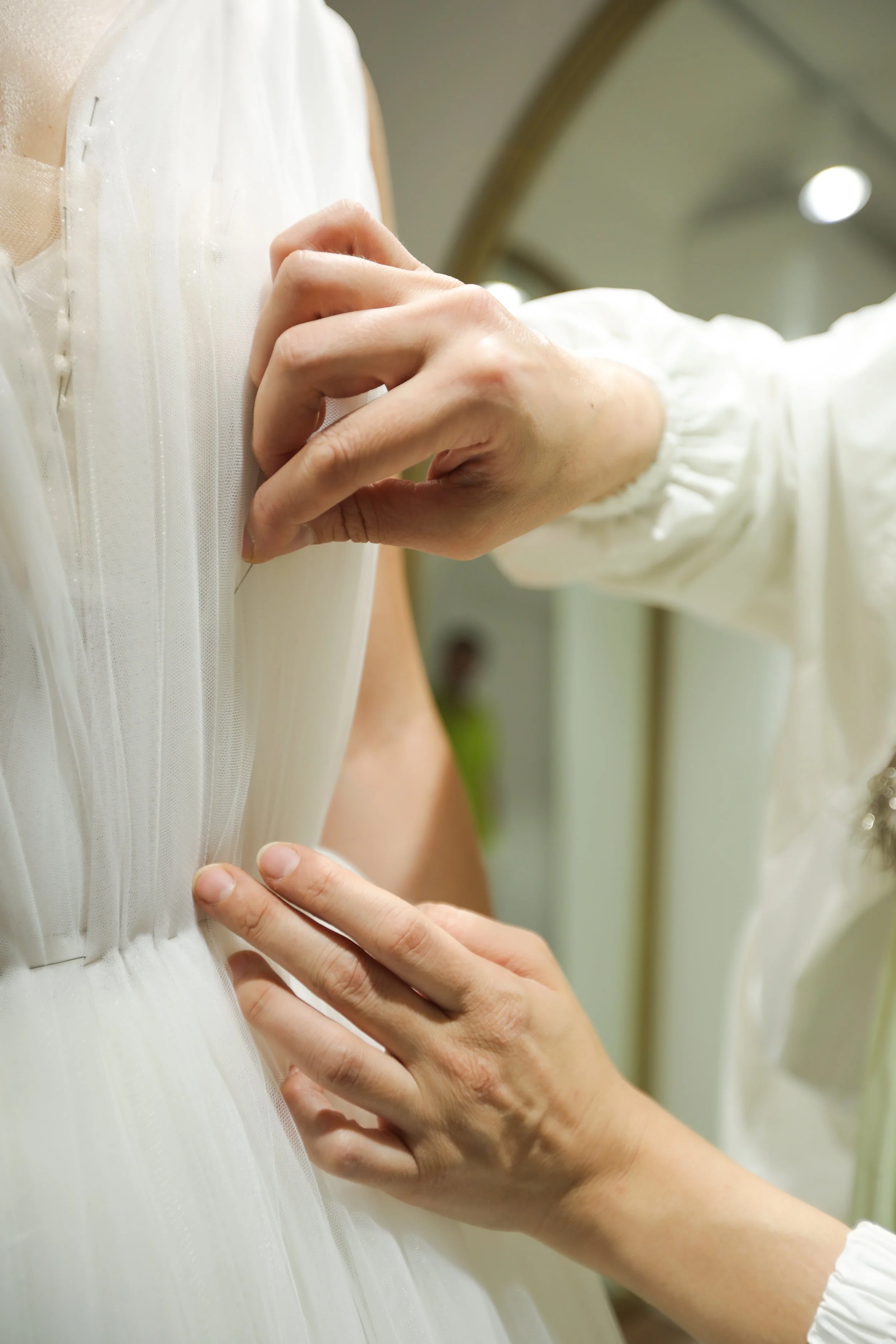
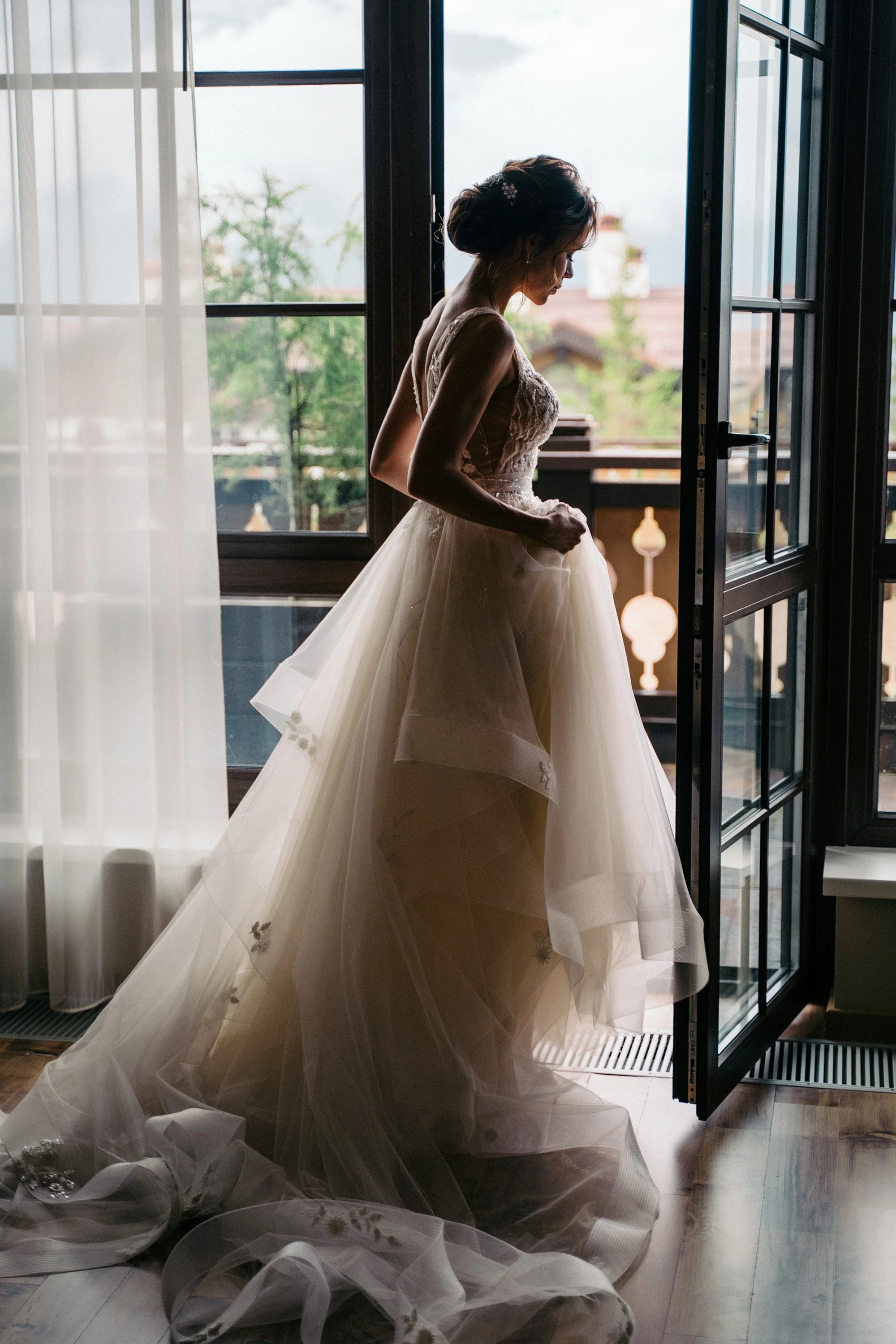
Every bride dreams of looking absolutely stunning on her wedding day. The perfect dress plays a pivotal role in this dream, but often, finding a dress that fits flawlessly off the rack is a rare occurrence. This is where the art of bridal alterations comes into play. Bridal alterations are like the magic touch that transforms a beautiful dress into a personalized masterpiece, tailored to fit the bride's unique body shape and size. In this blog post, we will explore the importance of bridal alterations and why they are an essential part of the bridal journey.
The Importance of Bridal Alterations
Personalization: Every bride is different, and so is her body shape. Bridal alterations ensure that the dress fits like a glove, highlighting the bride’s best features and providing unmatched comfort.
Enhancing Silhouette: Whether it's taking in the waist, hemming the skirt, or adjusting the sleeves, alterations can enhance the dress's silhouette, creating a flattering and elegant look.
Emotional Value: Often, bridal gowns are heirlooms or have sentimental value. Alterations allow brides to incorporate elements from their mothers' or grandmothers' dresses, adding a touch of nostalgia and emotional significance to the attire.
When to Start the Alteration Process
Ideally, alterations should commence around 6 months before the wedding day. Starting early ensures there's ample time for fittings and adjustments, allowing the bride to feel relaxed and confident about her dress on the big day.
Choosing a Skilled Seamstress
Finding the right seamstress or tailor is paramount. Look for professionals experienced in bridal wear alterations. Read reviews, ask for recommendations, and don’t hesitate to ask for examples of their previous work. A skilled seamstress can make a world of difference in how the final dress turns out.
Common Bridal Alterations
Hemming: Adjusting the length of the dress, especially for intricate designs, requires precision and expertise to maintain the original aesthetic.
Taking In or Letting Out: Resizing the dress to fit the bride’s measurements perfectly, ensuring a snug yet comfortable fit.
Bustle Creation: Many wedding dresses, especially those with long trains, require bustling for ease of movement during the reception. A well-designed bustle preserves the dress’s beauty while making it more manageable.
Strap and Sleeve Adjustments: Alterations can involve adding or removing straps, altering sleeve length, or reshaping sleeves to match the bride’s preference.
Communication is Key
Clear communication between the bride and the seamstress is vital. The bride should openly express her desires and concerns, and the seamstress should be attentive, offering professional advice while respecting the bride's vision for her dress.
Bridal alterations are an indispensable part of the wedding dress journey. They ensure that the bride not only wears a dress but wears a masterpiece that reflects her unique style and personality. With the right seamstress and attention to detail, bridal alterations can transform a beautiful dress into an extraordinary one, making the bride’s special day even more memorable. So, brides-to-be, embrace the magic of alterations and step into your wedding day with confidence, knowing that your dress has been tailored just for you.
A Guide to Bridal Alterations
Every bride dreams of looking absolutely stunning on her wedding day.
Bridal alterations help personalize your gown.
Ideally, you should begin the bridal alterations process 6 months in advance of your wedding.
It’s very important to choose a seamstress or tailor who is experienced with finer fabrics and detailed work.
Some of the most common bridal alterations include hemming, taking in or letting out, bustle creation, and strap or sleeve adjustments.
Don’t be shy! Clearly communicate your desired outcomes with your seamstress.
You May Also Like